
Show up to a game under-fueled and you’ll feel it by the second quarter: heavy legs, foggy focus, an early fade. Show up with the wrong meal at the wrong time and you might spend the first few minutes fighting cramps or a side stitch instead of fighting for the ball. Getting pre-game nutrition right is less about finding one perfect food and more about matching the meal to the clock and the sport.
This guide covers the general timing rules sports dietitians rely on, then breaks down practical meal and snack ideas for endurance sports, team/field sports, strength and power sports, and weigh-in or weight-class sports like wrestling and combat sports.
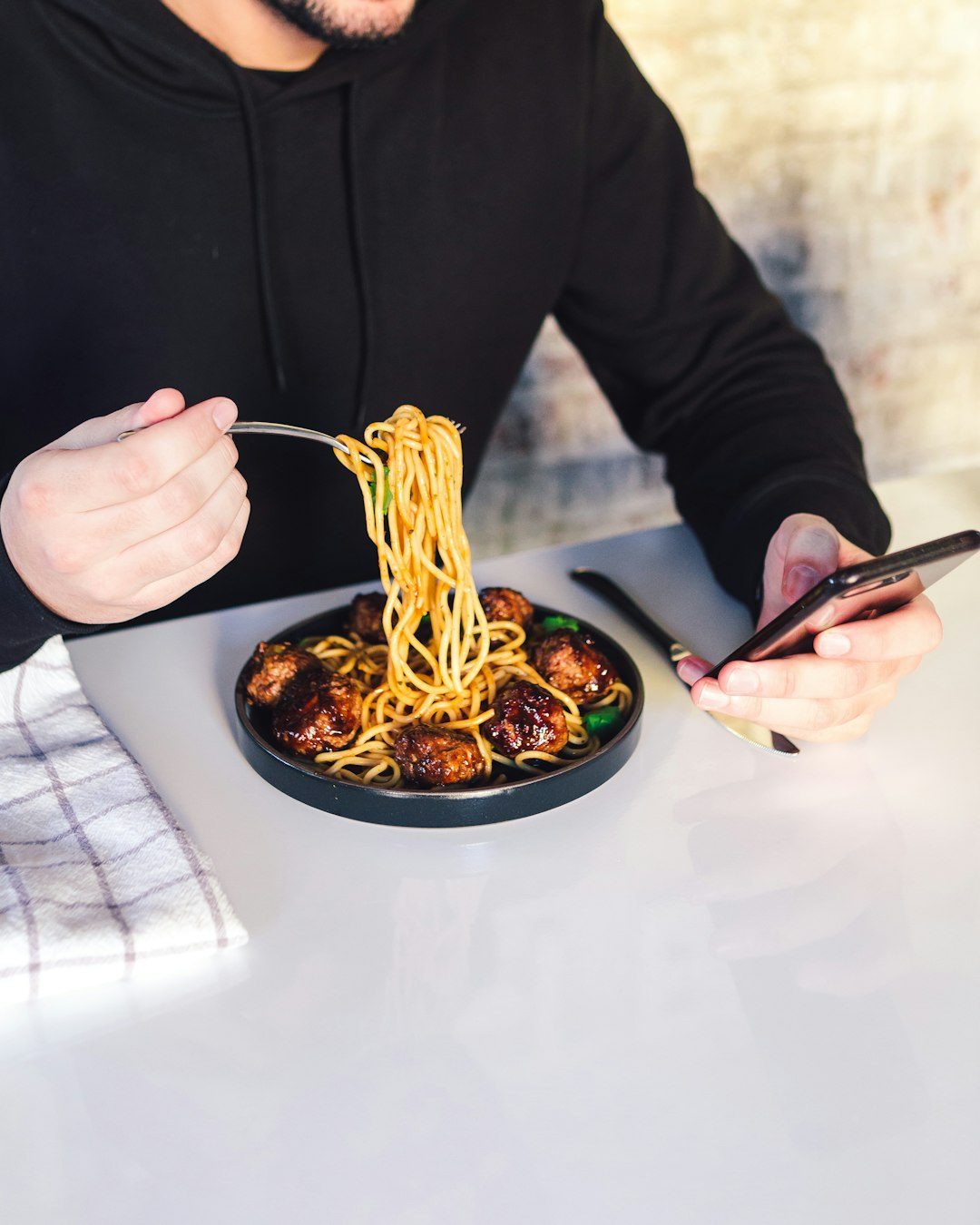
Quick Answer
Eat a carbohydrate-focused meal with moderate protein and low fat and fiber about 3-4 hours before competing, then a smaller carb-rich snack 1-2 hours out if you need extra fuel. The closer you get to start time, the smaller and simpler the food should be — stick to easy-to-digest carbs and fluids in the final 30-60 minutes.
The General Timing Rule (Works for Almost Any Sport)
Sports dietitians generally scale meal size to how much time is left before you compete. Roughly 3-4 hours out, eat a full meal built mostly around carbohydrates (rice, pasta, bread, potatoes, fruit) with a moderate portion of lean protein (chicken, turkey, fish, eggs) and only a little fat or fiber, since both slow digestion and can sit heavy during play.
About 1-2 hours before go-time, switch to a smaller snack instead of a full meal — think a banana, a bagel, a granola bar, or toast with honey. In the last 30-60 minutes, keep it light: a few sips of a sports drink, a small piece of fruit, or nothing solid at all if your stomach is sensitive to nerves.
Carbohydrate is the priority in every version of this rule because it’s the fuel your muscles and brain can access fastest. Protein matters for recovery but digests more slowly, and fat and fiber are best saved for after the game, not right before it.
If your event is early in the morning and a 3-4 hour window isn’t realistic, lean on a carb-rich dinner the night before and a smaller, simple breakfast or liquid meal (a smoothie, for example) closer to start time.
Train smarter with a free AI coach. Create a free account →
Meals by Sport Type
Endurance sports (distance running, cycling, triathlon, swimming distance events): these events burn through glycogen over a long period, so the standard approach is a carb-rich dinner the night before plus a carb-focused breakfast 3-4 hours before the start, topped off with a small carb snack in the final hour. Longer races (anything well over 90 minutes) are where athletes benefit most from a day or two of slightly higher carbohydrate intake beforehand, sometimes called carb-loading.
Team and field sports (soccer, basketball, football, hockey, lacrosse): for an afternoon or evening game, eat balanced meals through the day, then have your main pre-game meal 3-4 hours before kickoff or tip-off, followed by a carbohydrate snack and fluids closer to warm-ups. Soccer players and others covering long distances over a 90-minute match benefit from the same extra-carb approach used in endurance sports; shorter, stop-start sports like basketball or football can usually get by with the standard meal-then-snack pattern.
Strength and power sports (weightlifting, throwing events, short sprints, football linemen on lifting-heavy days): carbohydrate needs are lower per session since the effort is short and explosive, but protein matters more for recovery between training blocks. A meal 2-4 hours out with moderate carbs and a solid protein portion works well; a small carb snack closer to the session helps top off energy without weighing you down.
Weigh-in and weight-class sports (wrestling, boxing, MMA, powerlifting meets): timing here depends heavily on the level and sport, not just the competition clock. Professional boxing and MMA (including the UFC) typically hold the official weigh-in roughly a full day before competition — often on the order of 24 to 30 hours out — precisely so fighters have time to rehydrate and get in a normal meal or two before fight time; once rehydrated, the standard 3-4-hour pre-meal approach works fine. Scholastic and collegiate wrestling is different: those weigh-ins are usually same-day, often only 1-2 hours before the match, so the fueling window is much tighter — athletes typically plan a quick, easy-to-digest carb-and-fluid snack right after weigh-in rather than a full pre-game meal. Powerlifting meets vary by federation, with weigh-ins anywhere from the night before to a couple of hours before lifting, so check your specific meet’s schedule.
Tips / Common Mistakes
Don’t try a new pre-game meal on game day. Test timing and food choices in practice first, since tolerance for fiber, dairy, or spice varies a lot from athlete to athlete.
Watch sugary snacks right before play. A candy bar or sugary drink in the last 30 minutes can spike and then crash blood sugar, leaving you feeling shaky or flat once the game starts.
Don’t skip the meal because of nerves. If solid food feels impossible, a liquid option like a fruit smoothie or a carb-electrolyte drink still delivers fuel without sitting heavy in your stomach.
Don’t ignore fluids. Most athletes do fine on water alone, but longer or high-intensity games in heat are a good reason to add an electrolyte drink alongside food.
Don’t overdo fat and fiber close to the game. Fried food, heavy cream sauces, beans, and large salads all digest slowly and are better saved for after you play.
Explore more: More athlete development guides.
Pre-Game Meal Timing by Sport FAQs
What should I eat 1 hour before a game?
Keep it small and simple: a banana, a few crackers, a small granola bar, or a sports drink. Avoid a full meal this close to start time — it won’t fully digest and can leave you feeling sluggish or crampy.
Is it bad to eat right before playing sports?
Eating a large meal in the final 30-60 minutes before competing can cause cramping, bloating, or a side stitch because digestion competes with blood flow to your muscles. A light snack or fluids is a safer choice that close to start time.
What foods should athletes avoid before a game?
Avoid high-fat, high-fiber, and very sugary foods right before competing. Fried food and heavy sauces digest slowly, large amounts of fiber (beans, big salads) can cause GI discomfort, and sugary snacks close to start time can trigger a blood sugar crash during play.
Level Up With SportsSteps
Train smarter with a free AI coach
Log workouts, follow a training plan, and see your progress over time — for athletes at every level.
Create a free accountFor families, athletes, coaches & clubs
Want training tips and sports news in your inbox? Subscribe to the free newsletter.
Photo by No Revisions on Unsplash.