
Walking up to a lap pool for the first time and seeing three strangers already circling in one lane can be intimidating. There’s an unwritten code that regular lap swimmers follow without thinking twice, but nobody hands new swimmers a rulebook, so it’s easy to feel like you’re in everyone’s way.
This guide breaks down circle swimming, lane splitting, passing signals, and the small habits that keep a shared lane safe and collision-free, so you can walk in, pick a lane, and swim with confidence.
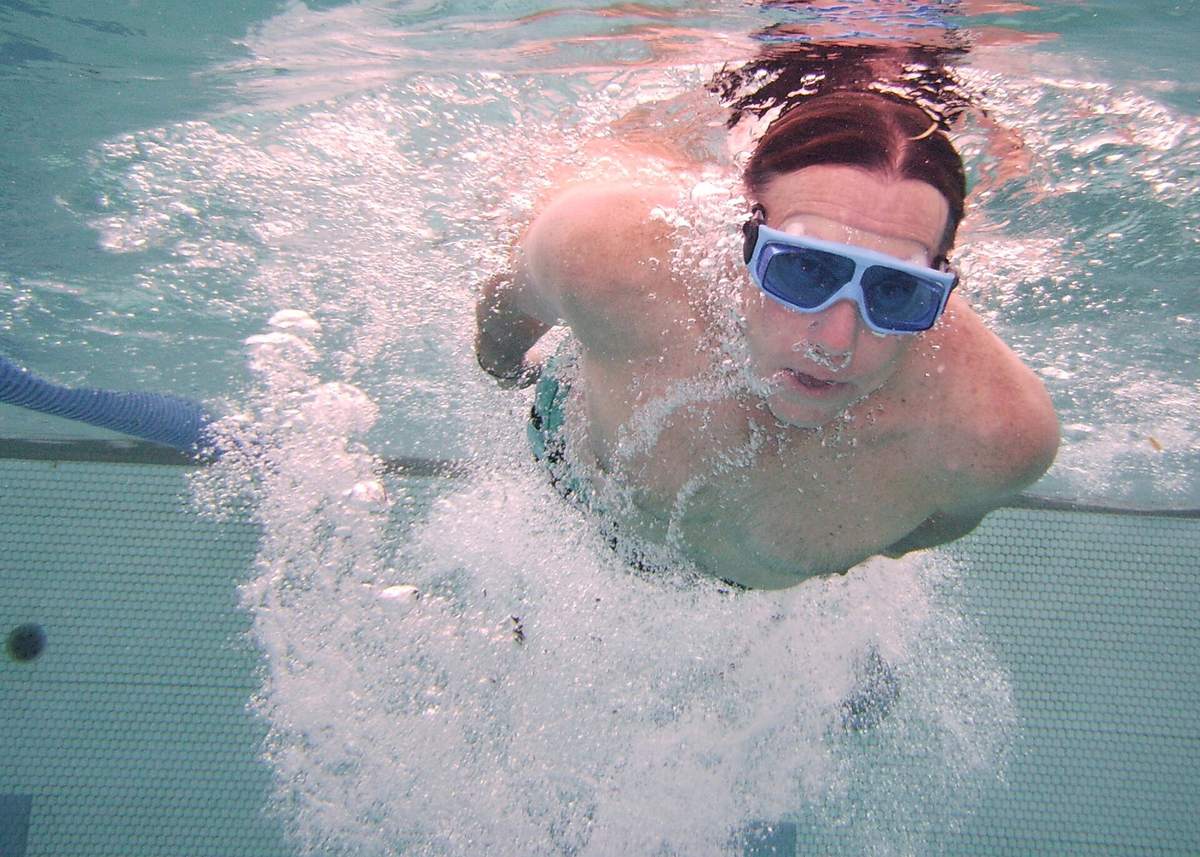
Quick Answer
When a lane has three or more swimmers, the standard practice is to circle swim: everyone swims counterclockwise, staying to the right side of the lane on the way down and the way back, so two lines of traffic pass each other in opposite directions. With just two swimmers, either split the lane down the middle (one person per side) or circle, depending on what the other swimmer prefers.
How Circle Swimming Actually Works
Picture the lane as a loop. Swimming counterclockwise means you stay on the right-hand side of the lane line as you swim toward the far wall, then stay on the right-hand side again as you swim back, which puts you on what was the left side of the lane relative to your first direction. The effect is two ‘lanes of traffic’ sharing one physical lane, similar to a road with a center line. A few pools post signs for clockwise circling instead, so it’s worth a quick glance at the deck before you jump in, but counterclockwise is the convention at most U.S. facilities.
Circle swimming typically kicks in once three or more people want to use the same lane. With exactly two swimmers, you have options: split the lane (one swimmer sticks to the left half, the other to the right half, each swimming straight up and down) or circle. If you’re joining a lane that already has people in it, ask before you get in. Most pools consider it the existing swimmers’ call whether to split or circle, and you should enter and exit from the ends of the lane, not by climbing in over the lane line.
Pick a lane that roughly matches your pace. If you’re the slowest swimmer in a lane full of faster swimmers, you’ll spend the whole session getting passed, and if you’re much faster than the lane you join, you’ll be stuck behind people constantly. Most pools arrange lanes from slow to fast, or post speed guidelines, so scan a few lanes before choosing.
Track your kid's progress and get age-right drills free. Create a free account →
Passing, Resting, and Turning Without a Collision
If you catch up to a slower swimmer in front of you, the common signal is a light tap on their foot or ankle to let them know you want to pass. Once you’ve signaled, wait for a safe moment, then pass on the inside of your side of the loop, moving back to your proper side once you’re clear. Many experienced lap swimmers prefer to pass at the wall, right as the slower swimmer finishes a turn, since that’s a predictable moment rather than passing mid-lane where oncoming swimmers won’t expect it. If you’re the one being tapped, don’t speed up to avoid being passed; just continue at your pace and let the faster swimmer go by.
Resting is where a lot of new swimmers accidentally block traffic. If you stop at the wall to catch your breath, move to one of the outer corners of the lane rather than floating in the middle, since the middle of the wall is where everyone needs room to flip, turn, and push off. Never push off the wall right as another swimmer is approaching to turn; wait until they’ve cleared the wall, because a head-on collision at the turn is one of the most common (and most avoidable) lap pool accidents.
When you’re finished with your set, exit at the wall promptly so the lane isn’t left crowded for the swimmers still working out.
Tips and Common Mistakes
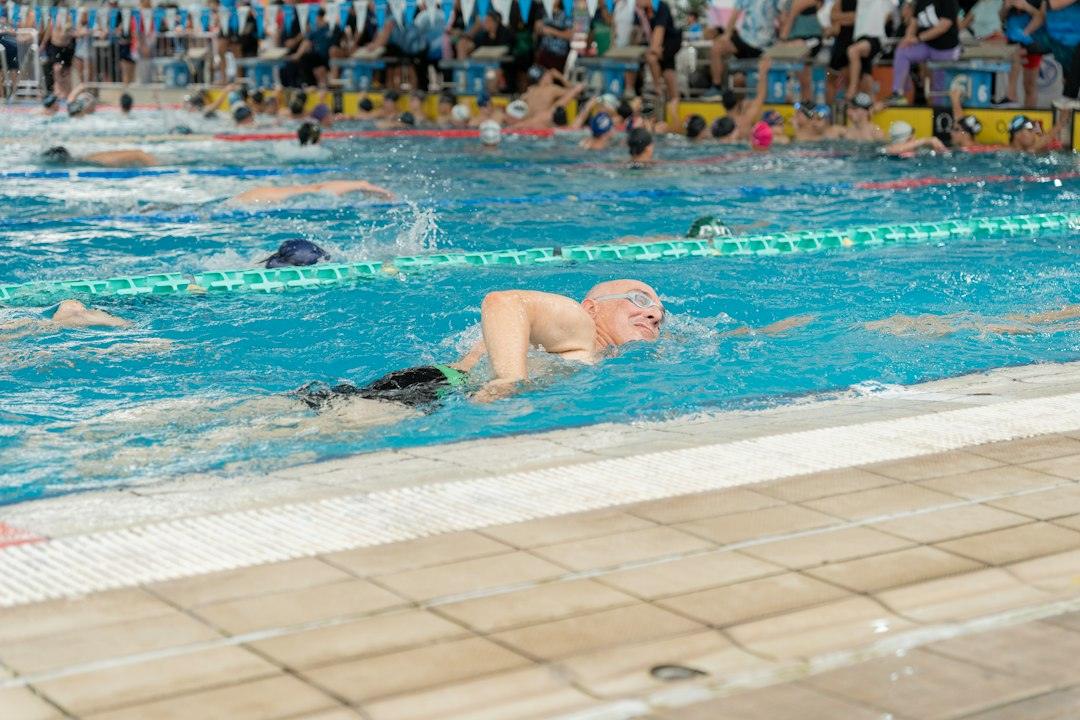
A few habits separate smooth lap swimmers from the ones who draw annoyed looks. Check posted pool rules before you assume counterclockwise, since direction and the swimmer threshold for circle swimming (two versus three) vary by facility. Communicate before you get in a shared lane rather than assuming the other swimmer wants to split or circle. Don’t repeatedly tap the same swimmer’s foot every single length, since being overtaken over and over can feel like being chased, so if you’re consistently much faster, consider finding a faster lane instead. And always leave room at the wall corners for people resting or waiting to turn, rather than parking yourself dead center.
If a lane genuinely isn’t working, whether it’s too crowded, too fast, or too slow, it’s fine to ask a lifeguard about open lanes elsewhere in the pool rather than forcing an awkward fit.
Explore more: more swimming guides and training tips.
Lap swim etiquette FAQs
Do you always swim counterclockwise in a shared lane?
Counterclockwise is the most common convention in the U.S. (stay right going down, stay right coming back), but some pools post the opposite direction, so check signage or ask a lifeguard if you’re unsure.
How many swimmers does it take before a lane should circle swim?
Most pools expect circle swimming once three or more people share a lane. With two swimmers, you can either split the lane in half or circle, depending on what both swimmers prefer.
What does tapping someone’s foot in the pool mean?
It’s a signal that you’d like to pass. After tapping, wait for a safe moment, then pass on the inside of your side of the lane and move back over once you’re clear.
Where should I rest if I need to catch my breath mid-set?
Move to one of the outer corners of the wall, not the center, so other swimmers still have room to turn and push off.
Level Up With SportsSteps
Track your kid's progress and get age-right drills free
A free AI coach for their sport, drills that fit their level, and a simple log of every practice and game.
Create a free accountFor families, athletes, coaches & clubs
Want training tips and sports news in your inbox? Subscribe to the free newsletter.
Photo: Tanis Coralee Leonhardi / CC BY-SA 4.0, via Wikimedia Commons.