
Early weekend games are a logistical headache for sports parents, and meal timing is usually the part that gets rushed. Feed a young athlete too close to kickoff and they’re fighting cramps or nausea by the second quarter. Feed them too early, or skip breakfast entirely to save time, and they’re running on empty before halftime.
This guide breaks down exactly how far in advance to feed kids before a morning game, what to serve at each time window, and how to handle the all-too-common 6 a.m. wake-up call for an 8 a.m. start.
Quick Answer
Aim to finish a full breakfast about 2 to 3 hours before a morning game, and if there’s less time than that, offer a small, easy-to-digest snack 30 to 60 minutes beforehand instead. The goal is giving the stomach enough time to digest so energy is available for the muscles, not still being used for digestion once the whistle blows.
The Timing Windows, Explained
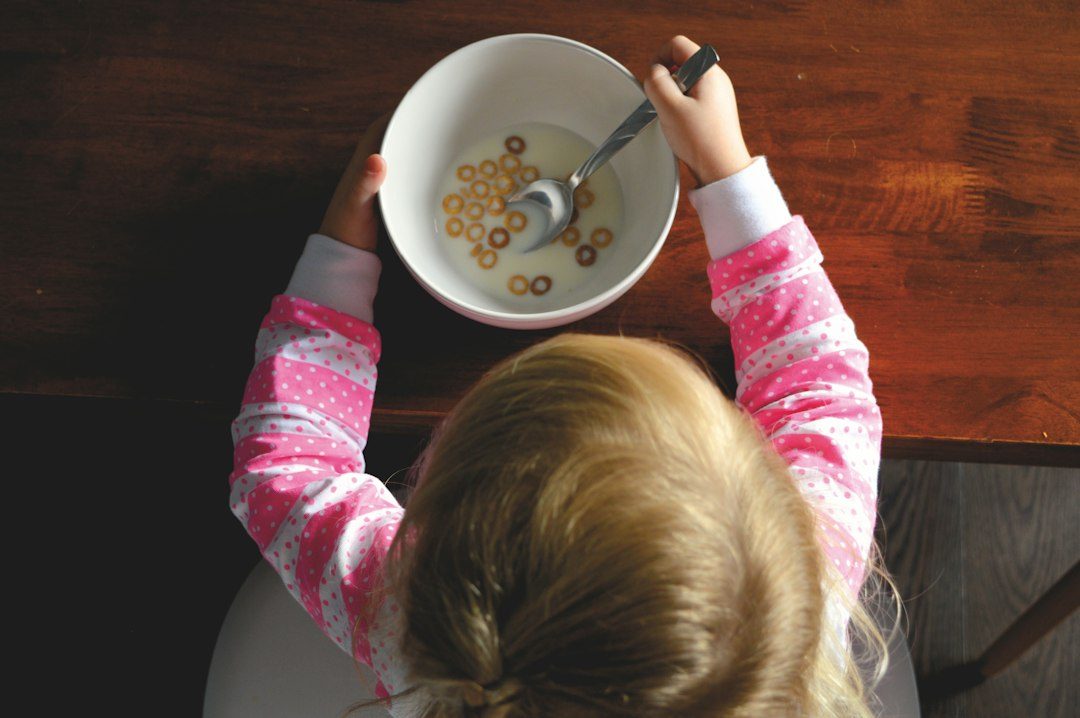
Think of pre-game eating in tiers based on how much time is left before the game. With 2 to 4 hours of lead time, a full breakfast works well: something with carbohydrates for energy and some protein, kept lower in fat and fiber so it digests easily. Good options include oatmeal with berries and a little peanut butter, scrambled eggs with toast, or whole-grain cereal with milk and fruit.
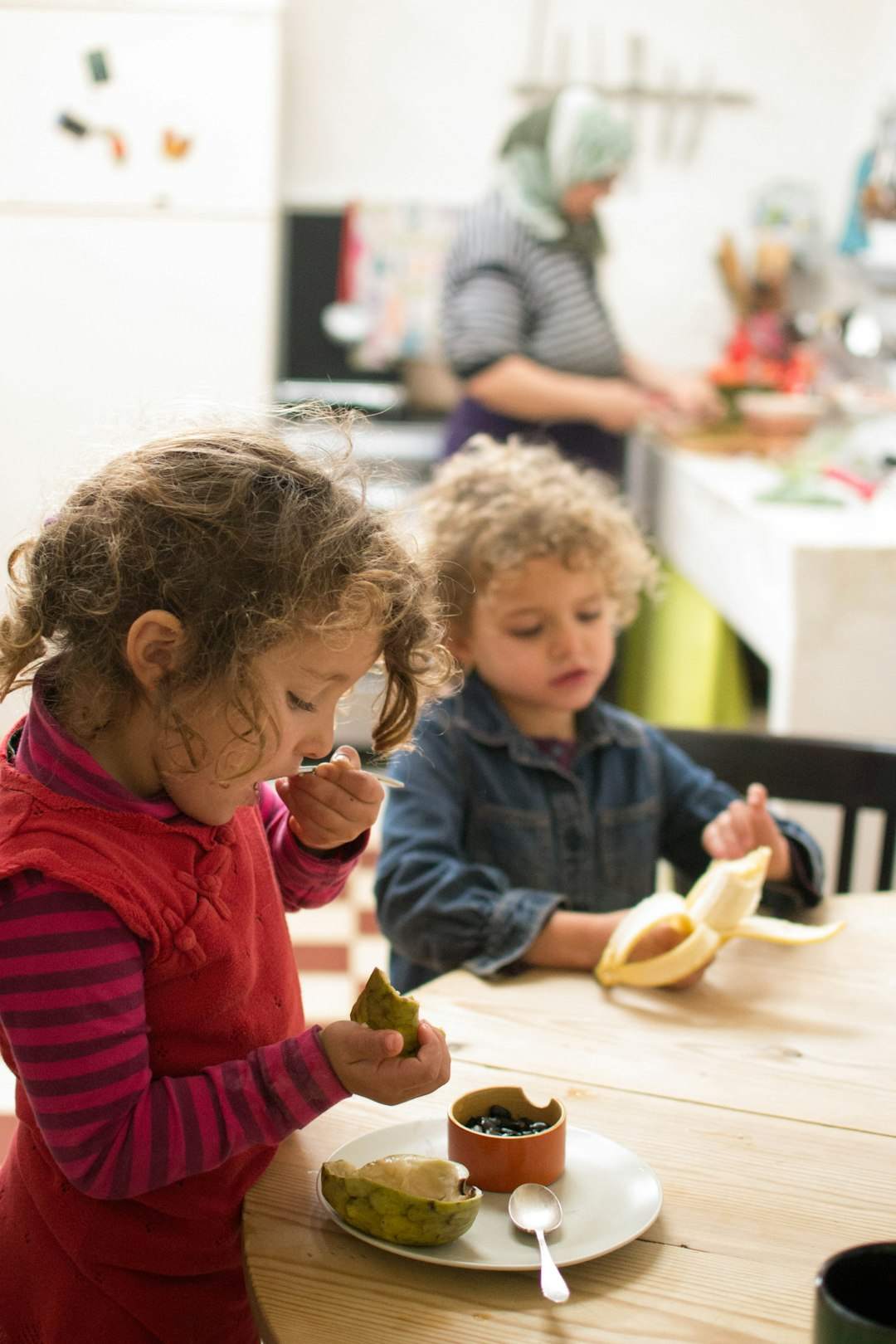
With only 1 to 2 hours before the game, scale down to a lighter meal or a hearty snack — a banana with a granola bar, a slice of toast with honey, or a small bowl of cereal. Heavy, greasy, or high-fiber foods (think sausage, cream-based dishes, or big bowls of bran cereal) take longer to digest and are more likely to cause stomach discomfort during play.
With less than an hour to go, keep it simple and small: a piece of fruit, a few crackers, or a sports drink with some easily digestible carbs. This isn’t the time for a full meal — the point is topping off blood sugar, not giving the stomach something heavy to process while the body is about to start moving hard.
For very early games where a child wakes up with almost no time to spare, it’s better to offer a small carbohydrate snack right away (like a banana or a few bites of toast) and let them eat a fuller meal after the game rather than forcing a big breakfast at 6 a.m. that won’t have time to digest.
What to Serve (and What to Skip)
Good pre-game choices are familiar, carbohydrate-forward, and moderate in protein: oatmeal, whole-grain toast with nut butter, bagels, bananas, yogurt with granola, or a breakfast sandwich on whole wheat bread. Carbohydrates are the body’s preferred quick-energy source for game-day activity, so they should make up the bulk of the pre-game plate.
Foods to avoid or minimize close to game time include fried or greasy foods, rich sauces, large amounts of fiber-heavy foods like beans or bran, and anything brand-new the child hasn’t eaten before a game. Game day is not the time to experiment with a new food — an upset stomach is hard to recover from mid-match.
Hydration matters as much as food. Encourage water throughout the morning leading into the game, not just a few gulps right before kickoff, since starting a game already behind on fluids makes cramping and fatigue more likely, especially in warm weather.
Tips / Common Mistakes
The most common mistake is skipping breakfast altogether to avoid the stomachache risk — this usually backfires as low energy and poor focus by the second half. A small snack is almost always better than nothing.
Another mistake is overfeeding right before warm-ups out of worry the child hasn’t eaten enough; a big meal eaten 20 minutes before sprinting around a field is a common cause of game-day nausea. When in doubt, go smaller and earlier rather than larger and later.
Keep portions and food choices consistent with what’s worked before. If a certain breakfast has reliably sat well before past games, stick with it on tournament mornings instead of trying something new just because there’s more time that day.
Pack a backup snack for the car. Game mornings run late more often than not, and having a banana or granola bar on hand means the timing plan doesn’t fall apart if the family leaves the house later than planned.
Explore more: More parent guides for youth sports.
Pre-game meal timing for young athletes FAQs
What if my child has to leave the house right after waking up for an early game?
Offer a small, easy snack immediately — like a banana, a few crackers, or a small glass of juice — rather than skipping food. A full breakfast can wait until after the game if there truly isn’t a 1-2 hour window beforehand.
Should young athletes eat differently before a morning game versus an afternoon game?
The same timing principles apply (full meal 2-4 hours out, light snack 1-2 hours out), but mornings are trickier because wake-up time limits the available window. Afternoon games usually leave more room for a complete breakfast plus a pre-game snack.
Is it okay for kids to play on an empty stomach?
It’s not ideal. Even a small amount of carbohydrate in the hour before play helps maintain blood sugar and energy levels. If nothing else works, at least offer a few sips of a carbohydrate-containing drink or a small piece of fruit.
How much water should a young athlete drink before a morning game?
Encourage regular water intake through the morning rather than one large dose right before the game. Steady hydration in the hours leading up to kickoff works better than trying to catch up in the final minutes.
Level Up With SportsSteps
Track your athlete’s progress, connect with coaches and your team, and grow — get the SportsSteps app. Get the SportsSteps App.
Want training tips and sports news in your inbox? Subscribe to the free newsletter.
Photo by Providence Doucet on Unsplash.