
Taper is the stretch of training before a big meet where a coach dials back the yardage so tired muscles can rebuild and a swimmer shows up on race day feeling fast instead of flat. For young swimmers, taper looks different than it does for a college or Olympic athlete, and doing too much of it can backfire just as easily as doing too little.
This guide walks through how long a youth taper should realistically last, exactly what a taper workout looks like in the water, the physiology behind why tapering works, and the sleep, nutrition, and race-prep habits that make the biggest difference for kids and teens heading into a championship meet.
Quick Answer
Most youth swimmers taper for 7 to 14 days: swimmers around 12 and under usually need only a few days to a week, while teens with more training years benefit from closer to 10-14 days. A taper workout itself keeps the same basic shape as a normal practice, but with noticeably less total yardage, more rest between repeats, and short, fast, race-pace swimming instead of long grinding sets.
How Long Should a Youth Swimmer Taper?
Younger swimmers recover much faster than adults, so long tapers tend to leave them feeling sluggish or ‘flat’ instead of sharp. Swimmers around 12 and under generally do best with a very short taper, sometimes just a few reduced-yardage days right before the meet, since their bodies bounce back quickly and don’t carry the same training fatigue as older athletes.
For swimmers in their early-to-mid teens who train year-round on a club team, a 7-to-10-day taper is a common and effective starting point. Older, more experienced teen swimmers, especially sprinters with more muscle mass to freshen up, sometimes taper for the full 10 to 14 days. A good coach will adjust the exact length based on how the swimmer responds in practice, not just their age on paper — if a swimmer starts feeling stale or unmotivated, that’s usually a sign the taper has gone on too long.
Track your kid's progress and get age-right drills free. Create a free account →
What Actually Changes During Taper Week
The biggest shift is volume, not intensity. Coaches typically cut weekly yardage noticeably below the normal training load, sometimes by a large margin, while keeping short bursts of race-pace or sprint work in the set. The goal is to let the body recover from weeks of accumulated fatigue without losing the neuromuscular ‘feel’ for going fast.
Expect fewer total repeats, longer rest between hard efforts, and more attention to technique and start/turn work rather than grinding out distance. Reducing training load gradually over the taper period, rather than all at once, tends to produce better racing results than an abrupt drop-off, so don’t be surprised if the first few days of taper still feel fairly demanding before things ease up closer to the meet.
Taper week is also the time to dial in race-day logistics: swim a few reps in the actual competition suit, cap, and goggles if they’re new, practice race starts and turns, and confirm event lineups and warm-up times so nothing feels unfamiliar on the day of the meet.
Sample Taper Workouts for Youth Swimmers
A taper workout follows the same basic structure as any practice — warm-up, drill or technique work, a main set, and a cool-down — it’s just shorter and faster. A typical mid-taper practice for a 10-14 year old might look like: 300-400 yards easy warm-up mixing strokes, 4×50 drill/swim by 25s focusing on technique, 4-6×25 build to race speed, a main set of 4-6×50 at race pace with generous rest (around 30-45 seconds between reps), and a 150-200 yard easy cool-down. The whole practice ends up a fraction of a normal training session’s volume.
Sprinters tend to taper toward very short, very fast, very rested work in the final days: a few all-out 25s or 50s off the blocks with full recovery between each, rather than any aerobic grinding. Swimmers racing longer events (200s, distance freestyle, or IM) keep slightly longer repeats in the mix, such as 3-4×100 at race effort with ample rest, so the body still remembers the pace it needs to hold.
A coach will adjust these distances and rep counts to the swimmer’s normal training volume and event lineup, but the pattern holds across age groups: less total swimming, more rest, and short efforts that stay fast rather than long efforts that build fatigue.
The Science: Why Tapering Works
Cutting volume isn’t just about feeling rested — it lets specific physiological changes catch up. During weeks of heavy training, muscle glycogen (the stored carbohydrate fuel swimmers burn during hard efforts) never fully tops off because it keeps getting used faster than it’s replaced. Taper gives those glycogen stores time to fully replenish, which is part of why well-tapered swimmers often describe feeling ‘bouncy’ or powerful off the start.
That same glycogen replenishment is also behind the ‘heavy’ or ‘bloated’ feeling some swimmers notice in the first few days of taper — glycogen is stored along with water in muscle tissue, so as fuel stores rebuild, swimmers can temporarily feel puffier before they feel faster. This flat-then-sharp pattern is normal and typically resolves within a few days as the taper progresses, which is why judging a taper by how a swimmer feels on day one or two can be misleading.
Sleep, Nutrition, and Race-Day Prep
Sleep is arguably the single most controllable factor in a taper. Aim for extra sleep each night during taper week compared to a normal training week — going to bed even 30 to 60 minutes earlier can make a real difference in how a swimmer feels and reacts on race day, since reduced training volume only pays off if the body actually gets to recover.
Nutrition during taper should stay boring on purpose. Stick with familiar, balanced meals — carbs, lean protein, fruits and vegetables — rather than trying new foods or big dietary changes right before a meet. The goal is steady glycogen replenishment, not experimentation. A light snack combining carbs and protein after each taper practice supports recovery without needing anything fancy.
In the last day or two before racing, keep warm-ups short and easy, lay out gear the night before, and plan travel time with a buffer so the morning of the meet feels calm rather than rushed.
Tips and Common Mistakes
The most common mistake with youth tapers is simply doing too much for too long — a taper stretched out over three or four weeks for a 10-year-old usually causes more staleness than benefit. Keep it proportional to the swimmer’s age and training history.
Another frequent error is cutting out hard swimming entirely. A taper isn’t a vacation; short, fast, well-rested efforts keep the body sharp, while total inactivity can make a swimmer feel sluggish instead of fresh. Watch for signs the taper is working: swimmers often report feeling noticeably ‘bouncy’ or light in the water a few days before the meet. If a swimmer instead feels heavy, tired, or unmotivated right before competition, flag it to the coach — the plan may need a small adjustment.
Finally, don’t let taper week become the time to try a new suit, new goggles, or a new pre-race routine for the first time at the meet itself. Test anything new during a taper practice first.
Photos
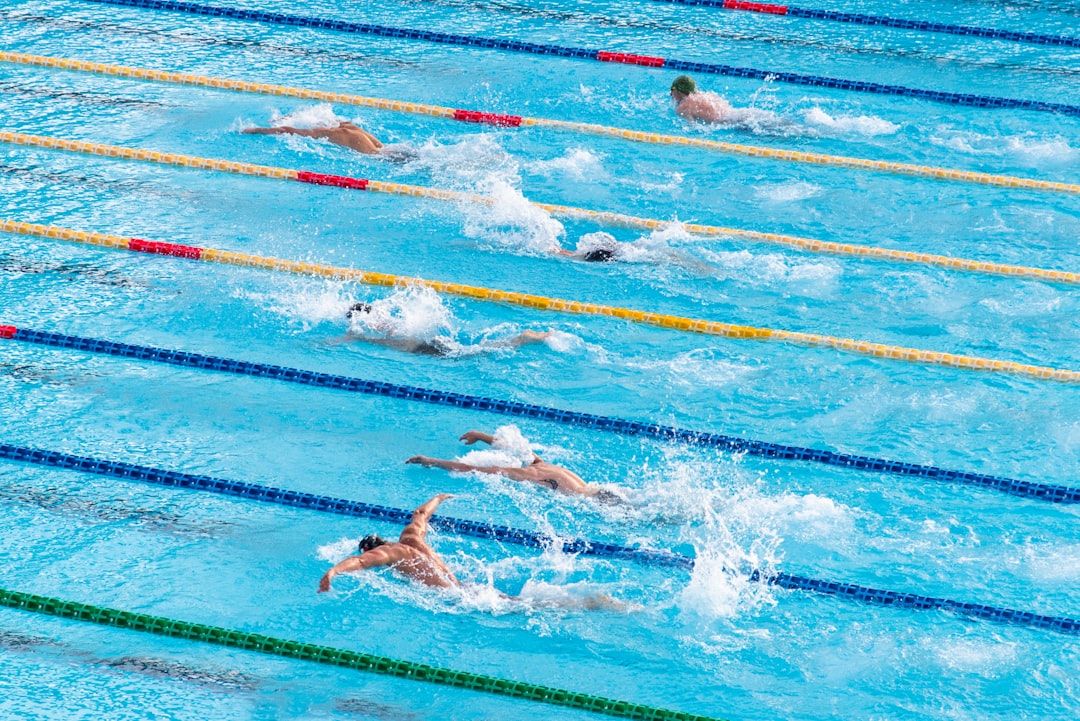
Swimming Taper Workouts FAQs
How long should a 10-year-old swimmer taper before a meet?
Very short, usually just a few days of lighter, easier swimming rather than a full 1-2 week taper. Young swimmers recover quickly and can end up flat if the taper is stretched out too long.
What does a typical taper workout actually look like?
The same shape as a normal practice — warm-up, drills, a main set, cool-down — but noticeably shorter, with more rest between repeats and short, fast, race-pace swimming instead of long distance sets.
Do youth swimmers still need to train hard during taper?
Yes, but less. Taper reduces total swimming volume, not the presence of fast, race-pace effort — short, quality sprints with more rest between them keep the body sharp for racing.
Why do swimmers sometimes feel heavy or tired during the first days of taper?
As training volume drops, muscle glycogen (stored fuel) starts replenishing, and it’s stored along with water in the muscle. That can create a temporary ‘bloated’ or sluggish feeling that typically clears up within a few days as the taper continues.
What’s the biggest factor in a successful taper besides pool workouts?
Sleep. Getting extra rest each night during taper week supports the recovery that reduced training volume is meant to create, and it’s one of the easiest things a swimmer and family can control.
Level Up With SportsSteps
Track your kid's progress and get age-right drills free
A free AI coach for their sport, drills that fit their level, and a simple log of every practice and game.
Create a free accountFor families, athletes, coaches & clubs
Want training tips and sports news in your inbox? Subscribe to the free newsletter.