Walk into any swim shop and you’ll find an overwhelming wall of goggles, floats, wetsuits, and gadgets promising to turn your kid into the next Olympian. Most of it is optional. A handful of items, though, actually make lessons go smoother and keep your child safer in the water.
This checklist breaks down what’s genuinely necessary for a beginner swimmer, what’s a nice-to-have, and what safety experts say to skip entirely — so you can pack the swim bag with confidence instead of guesswork.
Quick Answer
A beginner swimmer needs a well-fitting swimsuit, goggles with a soft silicone seal, a swim cap (helpful but not always required), a towel and a full change of clothes, and — if your child isn’t potty trained — a swim diaper or reusable swim diaper cover. If you’ll be near open water or a boat, add a properly fitted, U.S. Coast Guard-approved life jacket; skip inflatable arm floaties and neck rings as safety devices.
The Core Checklist: What Every Beginner Needs
Swimsuit: Pick something snug that won’t fill with water and drag, since baggy trunks or loose one-pieces can slow a beginner down and knock their confidence. A rash guard or UPF-rated swim shirt is worth adding for sun protection during outdoor lessons, even on cloudy days.
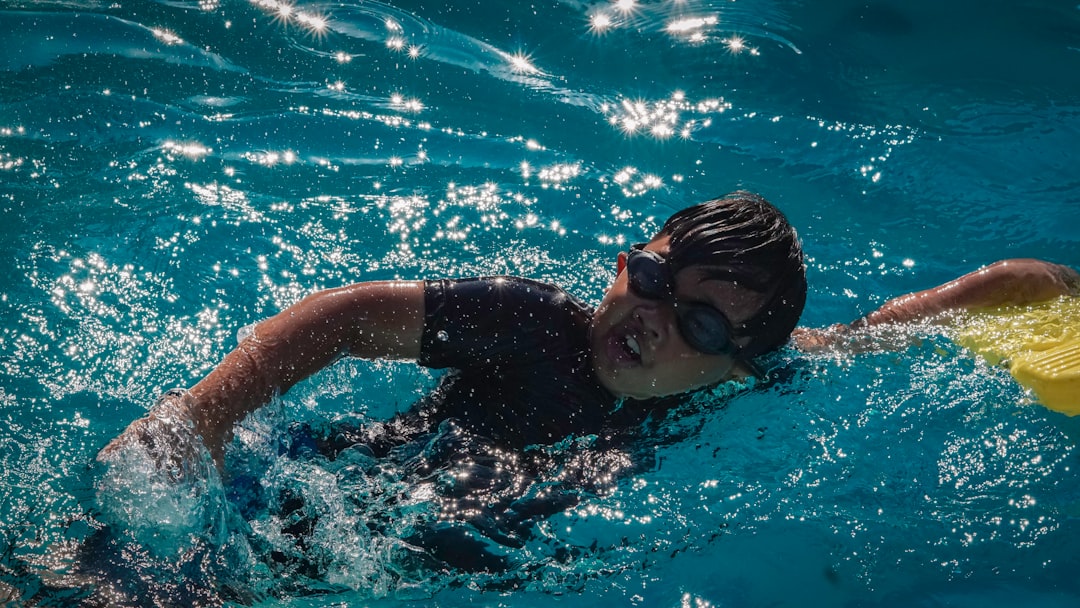
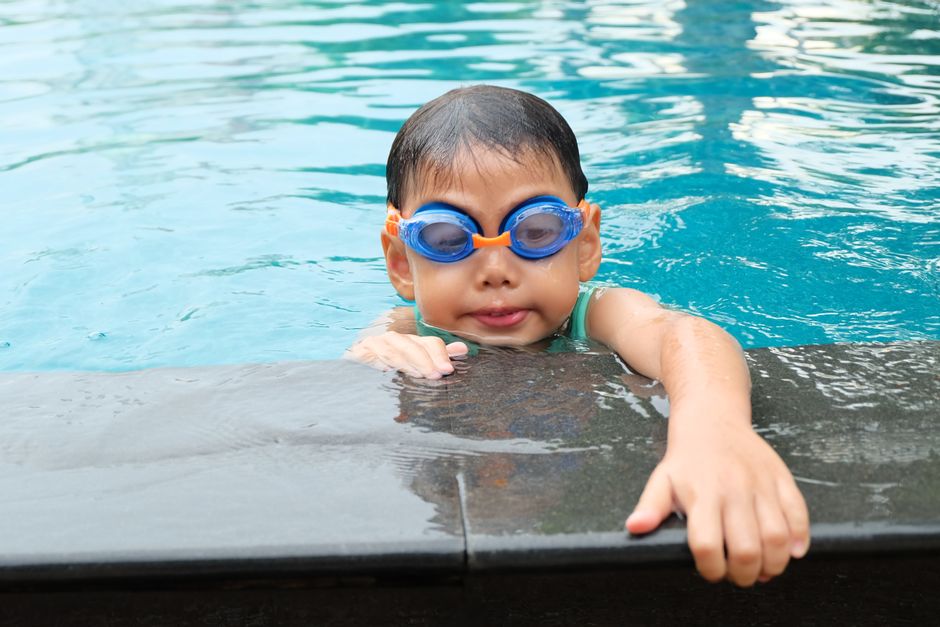
Goggles: Most swim schools recommend goggles once kids are comfortable putting their face in the water, generally around age 3 and up. Look for a soft silicone seal, an easy-adjust strap, and a small enough fit for a child’s face — oversized ‘adult’ goggles will leak and fog constantly. Anti-fog coatings wear off over time, so a quick rinse (never wipe the inside with a towel) helps them last longer.
Swim cap: Not required at most pools, but useful for keeping hair out of a child’s face and goggles in place, and it can help protect hair from chlorine. Silicone caps last longer and grip better than thin latex ones.
Swim diaper: Mandatory at most pools and swim schools for any child who isn’t fully potty trained — regular diapers absorb water and won’t contain accidents. Disposable swim diapers are convenient for occasional trips; a reusable swim diaper cover pays for itself quickly if your child swims weekly.
Towel and a full change of clothes: Pack a dedicated swim towel plus dry clothes, underwear, and socks so your child isn’t sitting in a wet suit on the ride home. A separate wet bag keeps the rest of the swim bag dry.
A swim bag: Not gear exactly, but a dedicated bag with everything above means nothing gets left behind on lesson days.
Situational Gear: Life Jackets, Floats, and What to Skip
Life jacket: If your child will be on or near a boat, federal rules require children under 13 to wear a U.S. Coast Guard-approved life jacket while the vessel is underway, and many states extend similar rules to younger ages on all vessel sizes. For small children, look for a jacket with a grab handle, padded head support, and a crotch strap so it can’t ride up. Keep in mind a life jacket is a boating safety device, not a swim-lesson tool or a substitute for supervision in a pool.
Arm floaties and puddle jumpers: These hold a child upright in the water, which is the opposite of the horizontal, face-down position needed to actually swim, and pediatric safety guidance doesn’t treat them as protective devices, since they can slip off or deflate. They’re fine as comfort or play aids with an adult within arm’s reach, but they shouldn’t be relied on as safety gear and can slow down learning real swim skills.
Nose clips and ear plugs: Not necessary for most beginners, but worth trying if your child complains about water up their nose or has a history of ear infections — ask your swim instructor before adding one, since some prefer kids learn without them at first.
Fins and kickboards: Usually supplied by the swim school for lessons. Buying your own is only worth it if your child swims often outside of class and has outgrown loaner gear.
Tips and Common Mistakes
Buying gear too big ‘to grow into’ is the most common mistake — loose goggles leak, baggy suits drag, and oversized swim caps slip off, all of which frustrate a beginner right when they need to focus on technique. Fit for today, not next summer.
Skipping the swim diaper because a child is ‘basically potty trained’ is a fast way to get sent home from lessons — most pools enforce this strictly and won’t make exceptions.
Treating floaties or puddle jumpers as a safety net is a common and risky assumption; active, within-arm’s-reach supervision is what actually prevents drowning, not the gear itself.
Not testing goggles before the first lesson is an easy miss — press them gently to the face without the strap; if they suction and hold for a second, the seal fits. If they fall right off, size down.
Explore more: More swimming guides and tips.
Kids swim gear checklist FAQs
What age should my child start wearing goggles?
Most swim schools introduce goggles once a child is comfortable putting their face in the water and following instructions, commonly around age 3, though it varies by child and program.
Do all pools require swim diapers for toddlers?
Most public pools and swim schools require a swim diaper or reusable swim diaper cover for any child who isn’t fully potty trained, since regular diapers absorb water and can cause hygiene issues.
Are puddle jumpers safe for swim lessons?
They can be used as comfort or play aids with direct adult supervision, but they aren’t a safety device and hold kids in an upright position that doesn’t match real swimming posture, so most instructors prefer they aren’t worn during actual lesson time.
What’s the difference between a swim diaper and a life jacket?
They serve completely different purposes: a swim diaper contains waste in the water, while a life jacket is a flotation safety device for boating or open water. Neither substitutes for the other, and a life jacket is not a swim-teaching tool.
Level Up With SportsSteps
Track your athlete’s progress, connect with coaches and your team, and grow — get the SportsSteps app. Get the SportsSteps App.
Photo: Shixart1985 / CC BY 2.0, via Wikimedia Commons.