
Parents and coaches obsess over practice reps, nutrition, and game-day strategy, but the single biggest recovery tool for a young athlete is often the one that gets cut first: sleep. Between homework, practice, travel tournaments, and screens, sleep is usually the first thing to slip on a busy week.
This guide breaks down exactly how many hours youth athletes need by age, why teenage athletes’ body clocks work against early bedtimes, what the research actually says about sleep and injury risk, and practical steps — including where naps and melatonin fit in — for helping a young athlete actually get the rest their body needs to perform and recover.
Quick Answer
Children ages 6 to 12 need about 9 to 12 hours of sleep per night, and teens ages 13 to 18 need at least 8 to 10 hours, according to pediatric sleep guidelines from the American Academy of Pediatrics and the CDC. Youth athletes should aim for the higher end of that range, since intense training and competition increase the body’s need for recovery sleep.
Sleep Needs by Age (and Why Athletes Need More)
Sleep researchers and pediatric health groups set general targets for kids and teens, but young athletes have a harder job hitting those numbers because of early practices, night games, travel, and homework stacked on top of a normal school day. For elementary and middle-school-age athletes (6 to 12 years old), the target is 9 to 12 hours a night. For high school athletes (13 to 18 years old), the target is 8 to 10 hours.
Despite these targets, research on adolescent athletes consistently finds that many fall short of their recommended sleep duration on a regular basis during a season, with the gap widening during in-season stretches that bring early morning practices, late-night games, or tournament travel.
Athletes need more sleep than sedentary peers because sleep is when the body does the heavy lifting of recovery: releasing growth hormone, repairing muscle tissue, consolidating motor skills learned in practice, and restoring the immune system and energy stores used up during training.
Why Teen Athletes Fight Their Own Body Clock
It’s not just willpower keeping a 15-year-old up late. During puberty, the brain’s internal clock shifts the release of melatonin — the hormone that signals it’s time to sleep — later in the evening, often by one to three hours compared to childhood. That biological shift, combined with early school start times and evening practices, puts many teen athletes in a genuine bind: their bodies aren’t ready for sleep until later, but their alarm still goes off early for a 6 a.m. lift or first-period class.
Younger athletes (roughly 6 to 11) don’t experience this same shift, which is one reason they can typically fall asleep earlier and still wake up refreshed. For teens, the practical takeaway is to work with the biology rather than against it: protect a consistent wind-down window each night rather than expecting a sudden early bedtime to fix a sleep shortfall built up over weeks.
How Sleep Affects Performance and Injury Risk
Short sleep shows up quickly in the numbers that matter on the field: slower reaction time, reduced accuracy, faster perceived fatigue, and impaired decision-making under pressure. Cognitive performance, which drives things like reading a defense or reacting to a pitch, tends to suffer even sooner than raw physical output.
Sleep is also closely tied to injury prevention. A frequently cited study of middle and high school athletes, presented at an American Academy of Pediatrics national conference, found that athletes who slept 8 or more hours a night were substantially less likely to be injured than those who slept less, and that hours of sleep was one of the strongest independent predictors of injury risk in the group — a stronger factor than the number of sports played or year-round specialization.
Poor sleep is also associated with slower recovery from soreness and a higher chance of getting sick during a heavy training block, since sleep supports immune function. Sleep debt is cumulative rather than something that resets overnight: losing an hour of sleep for several nights in a row builds up recovery debt that a single good night, or even a weekend of sleeping in, doesn’t fully erase. That’s one reason sports medicine groups increasingly treat sleep as part of injury-prevention programs, alongside things like load management and warm-up routines.
Do Naps Actually Help Young Athletes?
Yes, within limits. Research on adolescent and youth athletes has found that a well-timed daytime nap — generally 20 to 90 minutes in the early afternoon — can improve agility, jump performance, and perceived recovery, and can lower subjective fatigue and muscle soreness compared to no nap. Naps are especially useful during tournament weekends or training camps, when overnight sleep gets compressed by early starts and late games.
A nap is a supplement, not a substitute. It can help bridge a short-term gap, but it won’t fully offset a pattern of chronically short nighttime sleep, and napping too late in the afternoon or for too long can make it harder to fall asleep that same night.
What About Melatonin and Other Sleep Aids?
Many parents ask about melatonin for a young athlete who’s wired after a night game or jet-lagged from travel. Pediatric guidance generally advises against melatonin for children under 5, suggests low doses (roughly 1 to 3 mg) for children 5 to 12 only with a pediatrician’s input, and caps typical teen doses lower than many adult bottles suggest. Melatonin is sold as a supplement, not a regulated medication, so the actual dose in a bottle can vary from what’s printed on the label.
Short-term, pediatrician-guided use can help with specific situations like travel across time zones, but it isn’t a fix for a daily sleep shortfall caused by schedule overload, and major sleep medicine groups recommend talking to a doctor before giving melatonin or any sleep supplement to a child or teen on a regular basis.
Tips / Common Mistakes
Keep a consistent bedtime and wake time, even on weekends. Sleeping in by two or three hours on Saturday throws off the body clock and makes Sunday and Monday nights harder to fall asleep on time.
Avoid scheduling hard training or competition too late in the evening when it can be helped. Late-night games and practices are one of the most common reasons youth athletes lose sleep, since it takes time for the body to wind down after intense exercise.
Cut screens out of the last 30 to 60 minutes before bed. Phones and tablets keep the brain alert and delay the release of melatonin, the hormone that signals it’s time to sleep.
Watch caffeine intake in energy drinks, soda, and some pre-workout products, especially in the afternoon and evening. Even small amounts too late in the day can delay sleep onset in kids and teens.
On travel tournament weekends, pack for sleep the same way you’d pack cleats or a mouthguard: an eye mask or blackout option for hotel rooms, a consistent pre-bed routine, and a plan to nap if an early game cuts the previous night short.
A common mistake parents and coaches make is treating sleep as optional or something to sacrifice for one more study session or an extra highlight reel of video review. Treat sleep as part of the training plan, not an afterthought to it.
If a young athlete is chronically exhausted, having trouble falling or staying asleep, or getting hurt more often, it’s worth a conversation with a pediatrician, since underlying issues like anxiety, overtraining, or a sleep disorder can be part of the picture.
Photos
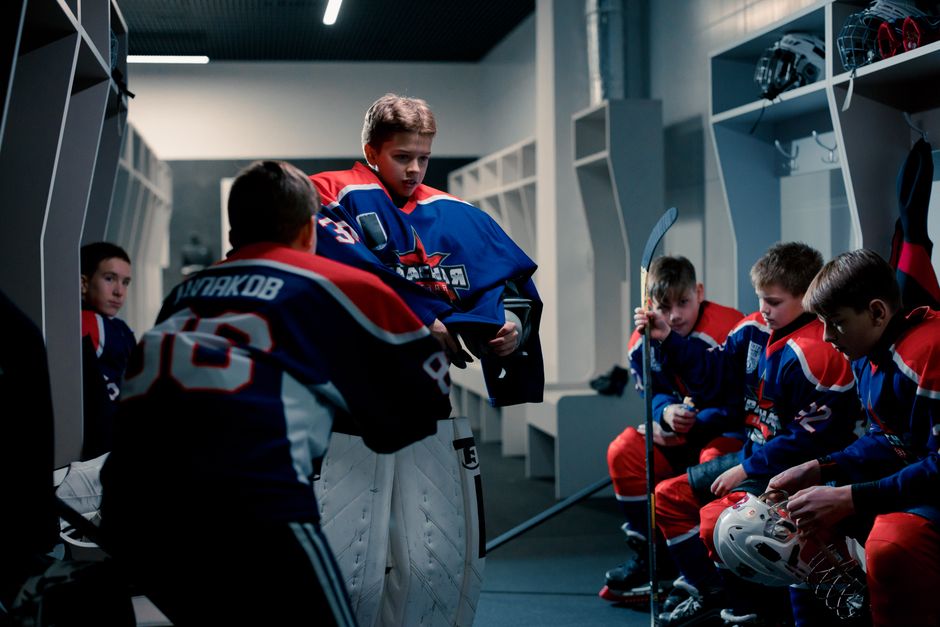
youth athlete sleep needs by age FAQs
How many hours of sleep should a 12-year-old athlete get?
A 12-year-old athlete generally needs 9 to 12 hours of sleep per night, at the upper end of the range if they’re training or competing heavily.
How many hours of sleep should a 16-year-old athlete get?
A 16-year-old athlete should get 8 to 10 hours of sleep per night. Because puberty delays the body’s natural sleep signal, many teens need a protected wind-down routine to actually fall asleep early enough to hit that target.
Is it bad for a teen athlete to only sleep 6 hours?
Yes. Regularly sleeping 6 hours or less is linked to a higher risk of fatigue-related injury, slower reaction time, and impaired decision-making in teen athletes, who typically need 8 to 10 hours.
Do naps help young athletes recover?
Yes, a short nap of roughly 20 to 90 minutes in the early afternoon can help offset lost overnight sleep and has been shown to support physical performance and perceived recovery, though it shouldn’t replace consistent nighttime sleep.
Can too little sleep really increase injury risk in youth sports?
Yes. Research on middle and high school athletes has found that those who sleep less than 8 hours a night are meaningfully more likely to be injured than those who sleep more, likely due to slower reaction time and impaired coordination when fatigued.
Is melatonin safe for young athletes?
It can be used short-term under a pediatrician’s guidance, but it’s not recommended for children under 5, isn’t well studied for long-term use, and supplement dosing can vary from what’s on the label. Talk to a doctor before giving melatonin to a child or teen regularly.
What are signs a youth athlete isn’t getting enough sleep?
Common signs include irritability, trouble waking up, falling asleep during the day, slower recovery from soreness, getting sick more often, and a noticeable drop in reaction time or focus during practice and games.
Level Up With SportsSteps
Track your athlete’s progress, connect with coaches and your team, and grow — get the SportsSteps app. Get the SportsSteps App.
Want training tips and sports news in your inbox? Subscribe to the free newsletter.