Every parent has stood on the sidelines wondering: is my kid a soccer player or a swimmer? A basketball star or a gymnast? The choice between team sports and individual sports is one of the earliest and most consequential decisions in a young athlete’s journey — and it’s rarely as simple as picking whichever one your child asks for first.
The good news is there’s no wrong answer, and there are clear signals you can watch for. This guide breaks down what each path offers, what kinds of kids tend to thrive in each setting, and how to help your child find the sport environment where they’ll actually want to show up — week after week.
Quick Answer
If your child loves being around people, draws energy from group effort, and lights up when the whole team wins together, team sports are likely a great fit. If your child is more self-directed, prefers working at their own pace, or gets frustrated when others slow them down, individual sports may suit them better. Most kids benefit from trying both before committing to one path.
What Team Sports Teach Kids
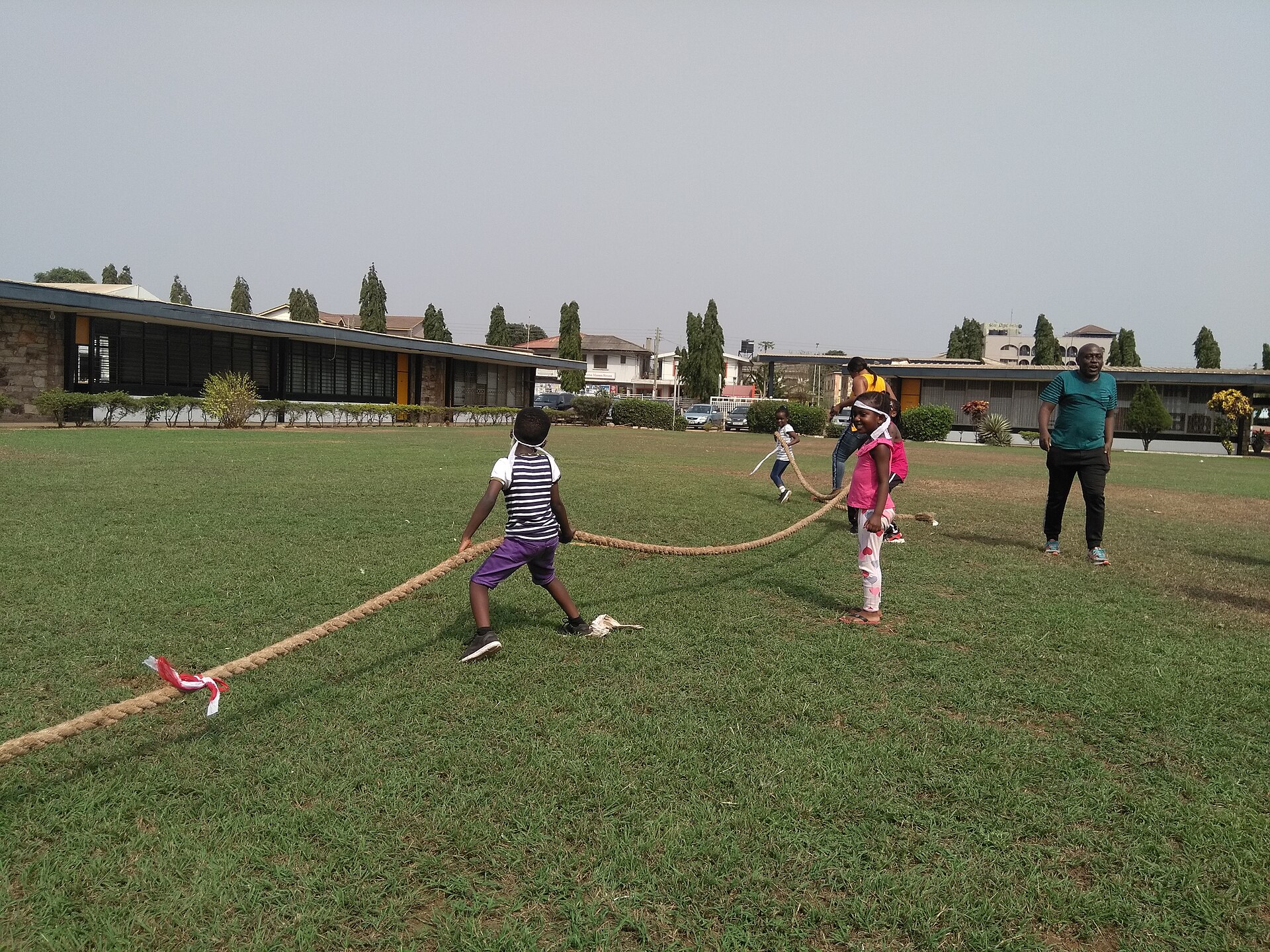
Team sports — think soccer, basketball, baseball, volleyball, and lacrosse — put collaboration front and center. Kids learn quickly that the team’s success depends on everyone pulling their weight. This builds communication skills, patience, and the ability to work through disagreements in real time. There’s also something powerful about shared victory: celebrating a win with teammates creates a sense of belonging that individual pursuits can’t replicate in the same way.
Leadership skills often emerge naturally in team settings. Even kids who aren’t team captain learn to read their teammates, encourage others through mistakes, and find their role within a group. Children who tend to be shy can also benefit from the built-in social structure of a team — they don’t have to initiate friendships from scratch; the sport does it for them.
One thing to watch: some kids find the group dynamic frustrating rather than motivating, especially when they feel the team’s performance is out of their control. If your child comes home more upset about what teammates did than about their own play, that’s worth noticing.
What Individual Sports Teach Kids
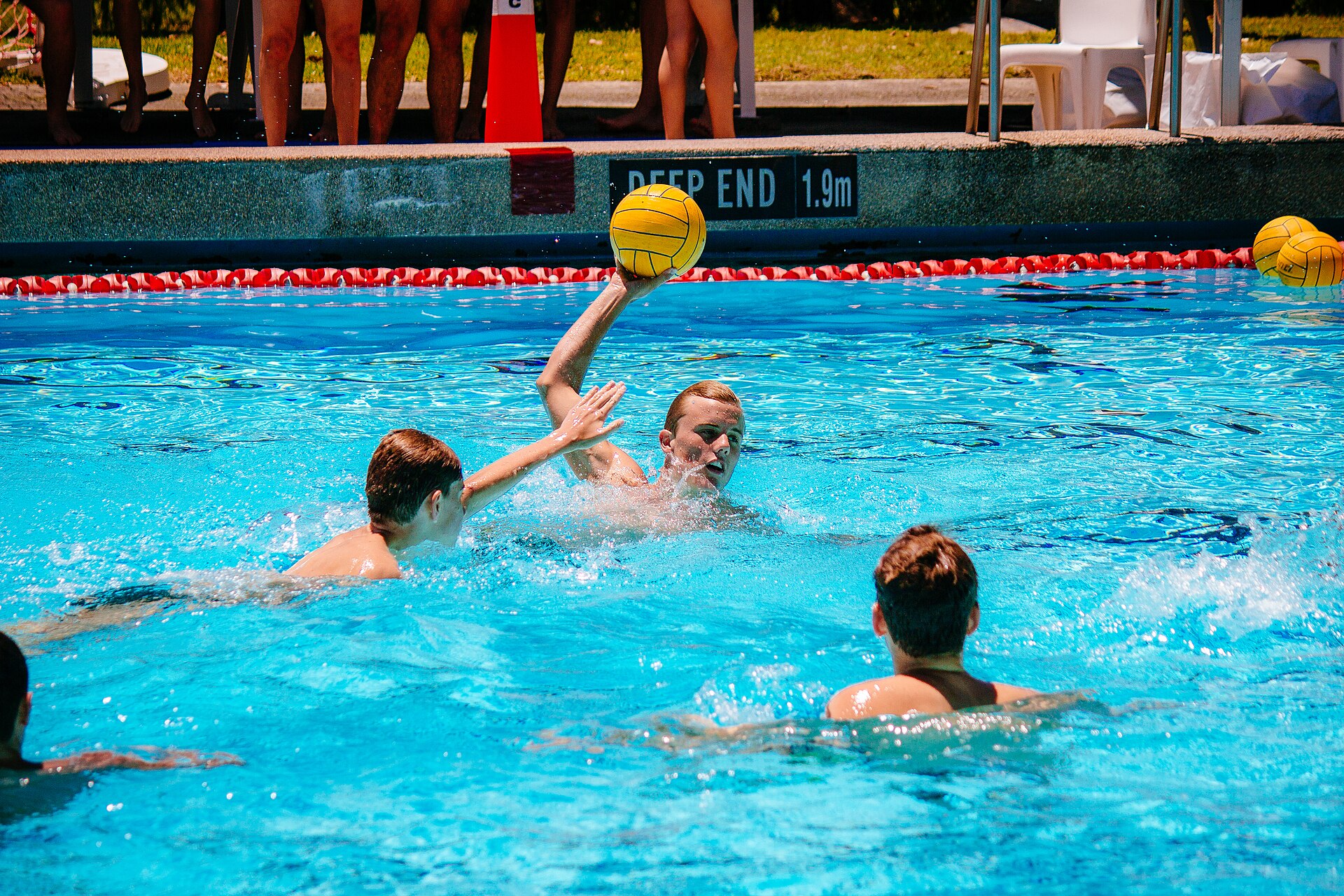
Individual sports — swimming, tennis, gymnastics, wrestling, track and field, martial arts, golf — strip away the group variable. The result on the scoreboard belongs entirely to your child. That can be daunting, but it also builds a specific kind of resilience: self-reliance. Kids in individual sports learn to own their mistakes immediately, make corrections on the fly, and measure their growth against their own previous performance rather than against a teammate.
Intrinsic motivation tends to develop more strongly here. Because there’s no team to credit for a win or blame for a loss, kids gradually build the internal drive to improve for their own satisfaction. This translates well to school and other pursuits where self-discipline matters. Individual sports also tend to allow more flexibility in practice pace — a child who learns differently or progresses on an unusual timeline often finds this structure easier to navigate.
The social piece is real, though. Individual sports still involve teammates at practices, meets, and tournaments, and a good coach will foster team culture even in individual-focused events. What’s missing is the shared-goal dynamic of true team play, so genuinely social kids can sometimes feel isolated training primarily for their own performance.
Signs Your Child Is a Better Fit for Team Sports
Watch how your child plays at recess, at the park, or even during free time at home. Kids who naturally seek out group play, invent games that require multiple people, and get more excited by shared victories than personal achievements tend to thrive in team environments. If your child talks about what ‘we’ did rather than what ‘I’ did after playing, that’s a telling sign.
Social energy matters too. Extroverted kids who need peer interaction to stay engaged will find individual training sessions draining over time. If your child perks up the moment other kids arrive and wilts when left to practice alone, a team sport keeps them connected to what actually motivates them.
Also consider how your child handles pressure. Team sports distribute responsibility — a missed shot hurts, but it doesn’t define the whole game. Kids who struggle to bounce back quickly from personal mistakes may actually perform better knowing the outcome doesn’t rest entirely on their shoulders.
Signs Your Child Is a Better Fit for Individual Sports
Some children are naturally independent workers. They’re the ones who’d rather figure something out on their own than ask for help, who set personal challenges and feel genuine satisfaction hitting their own benchmarks. These kids often find team sports frustrating because progress feels dependent on others — and in individual sports, that frustration disappears.
Introverted or sensitive kids are worth paying attention to here. Individual sports allow them to compete without the social intensity of a team huddle, sideline chatter, or the emotional ripple effects of teammates having a bad day. Martial arts, swimming, and gymnastics, for example, give these children a structured, skill-focused environment where they can grow without the noise.
One practical signal: if your child obsessively tracks their own times, scores, or form — watching videos of themselves, asking to practice specific techniques over and over — that internal focus is a strong indicator they’ll thrive where personal improvement is the primary measure of success.
Tips for Parents — and Common Mistakes to Avoid
Let them try before you commit. Most leagues and academies offer trial classes or short introductory seasons. Sign up for one and watch closely — not just whether your child is good at the sport, but whether they seem genuinely engaged during the parts that don’t involve you. Kids who are playing to please a parent will perform in front of you and disengage the moment you’re out of sight.
Don’t confuse ‘good at it’ with ‘right for them.’ A naturally athletic kid might excel at soccer early but find the team dynamic exhausting by age ten. Aptitude and fit are different things. Follow the energy, not just the skill.
Avoid locking kids into one path too early. Children’s social and temperament needs shift as they grow, and a child who loved the team environment at age seven may want more autonomy at eleven. Revisit the conversation as they develop rather than assuming their first preference is permanent.
Finally, resist projecting. Many parents unconsciously steer kids toward the sport they played or the one they wished they had played. Pay attention to what your child gravitates toward on their own — pickup games, YouTube videos they choose, how they spend unstructured time. That unsolicited interest is the most reliable data you have.
Explore more: Youth Sports guides and tips.
Team Sports vs Individual Sports for Kids FAQs
Can my child play both team and individual sports at the same time?
Absolutely, and many coaches recommend it during the early years. Playing both exposes kids to different types of challenges, keeps burnout at bay, and helps them eventually discover which environment truly motivates them. Just be mindful of schedule overload — too many commitments can make sports feel like a chore.
What if my child wants to quit after just a few weeks?
First, ask whether they dislike the sport itself or the environment — those are very different problems. A child who loves swimming but hates their current team culture may just need a different program, not a different sport. If they genuinely don’t enjoy the activity after a fair trial period, letting them move on and try something new is a healthy response. Forcing a child to stay in a sport they dread rarely builds the character parents hope for.
At what age should kids start organized sports?
Most child development experts suggest structured, organized sports are best introduced around ages five to six, with a focus on fun and basic movement skills rather than competition. Before that age, free play and informal games build the physical literacy and love of movement that make organized sport participation more successful later on.
Level Up With SportsSteps
Track your athlete’s progress, connect with coaches and your team, and grow — get the SportsSteps app. Get the SportsSteps App.
Photo: moetaz attalla / CC BY 2.0, via Wikimedia Commons.