Standing in the registration line for youth soccer, T-ball, gymnastics, and swimming all at once is a rite of passage for new sports parents — and so is the creeping worry that you’re about to pick the wrong one. The good news: there is no single perfect first sport. The better news: there is a straightforward process for narrowing it down to the best fit for your child right now.
This guide walks you through the key decisions in order — starting with whether your child is even developmentally ready — so you can sign up with confidence instead of guesswork.

Quick Answer
For children under 6, skip organized team sports entirely and start with swimming — it builds water safety, basic motor skills, and confidence in one activity. From ages 6 to 9, match the sport to your child’s social preference (team vs. individual) and attention span, prioritizing fun over competition. Avoid locking in a single sport before early adolescence; multi-sport sampling leads to better long-term outcomes.
Step 1: Check Developmental Readiness Before You Register
Age is the first filter, not the sport. The American Academy of Pediatrics (AAP) notes that most children under 6 haven’t yet developed the balance, hand-eye coordination, attention span, or ability to track moving objects that organized sports demand. Putting a 4-year-old in competitive soccer usually ends in frustration for everyone. Instead, that energy is better spent in unstructured movement — running, tumbling, climbing — or in introductory swimming lessons, which the AAP says can begin for many children as early as age 1, since water safety is a foundational life skill. At younger ages the focus is on survival skills like back floating rather than formal technique; by age 4, nearly all children are ready to add treading water and locating an exit point.
By age 6, most children are ready for simple organized sports with clear, consistent rules: think soccer, T-ball, gymnastics, or martial arts. Between ages 10 and 12, the cognitive ability for complex teamwork and strategy kicks in, opening the door to sports like basketball, volleyball, or lacrosse. The key signal to watch is whether your child can follow basic instructions, take turns, and recover from frustration — those matter more than raw athletic ability at the start.
Step 2: Match the Sport to Your Child’s Personality and Preferences
Once you know your child is developmentally ready, personality is the deciding factor. Ask yourself: does your child light up in group settings or prefer doing things at their own pace? Kids who are energized by teammates often thrive in soccer, basketball, or baseball. Kids who prefer working independently — and who can handle direct feedback about their own performance — tend to do better in swimming, gymnastics, tennis, or martial arts.
Sit down with your child and ask what sounds fun, not what you hope they’ll love. A child who watches gymnastics videos on repeat is sending a clear signal. So is one who spends every afternoon kicking a ball against the garage wall. Following genuine interest dramatically improves the chance they’ll stick with it through early frustration, which is when most kids quit. Also consider practical factors: how far is the practice facility, how many days per week does it meet, and does the schedule work for your family long-term — because the best sport is the one your child can actually attend consistently.
If your child doesn’t have a strong preference yet, that’s completely normal. Sign up for a single season of one sport, watch how they respond, and adjust. Many programs offer short trial sessions or low-commitment beginner classes before full registration.
Step 3: Evaluate the Program, Not Just the Sport
Two children can play the same sport and have completely opposite experiences based entirely on the program they join. Before registering, try to watch a practice session. A good beginner program emphasizes skill development over winning, gives every child meaningful playing time, and has coaches who communicate positively with young athletes. Warning signs include coaches who yell at children for mistakes, heavy emphasis on standings at very young ages, or parents on the sideline who make the atmosphere feel high-stakes.
Also check whether the equipment and rules are scaled to your child’s size and age. Youth-modified equipment — smaller balls, lower nets, shorter fields — exists because it makes early skill development actually possible. Programs that use adult-sized equipment with young beginners can accidentally teach kids that they’re bad at a sport they haven’t had a fair chance to learn.
Step 4: Resist Early Specialization
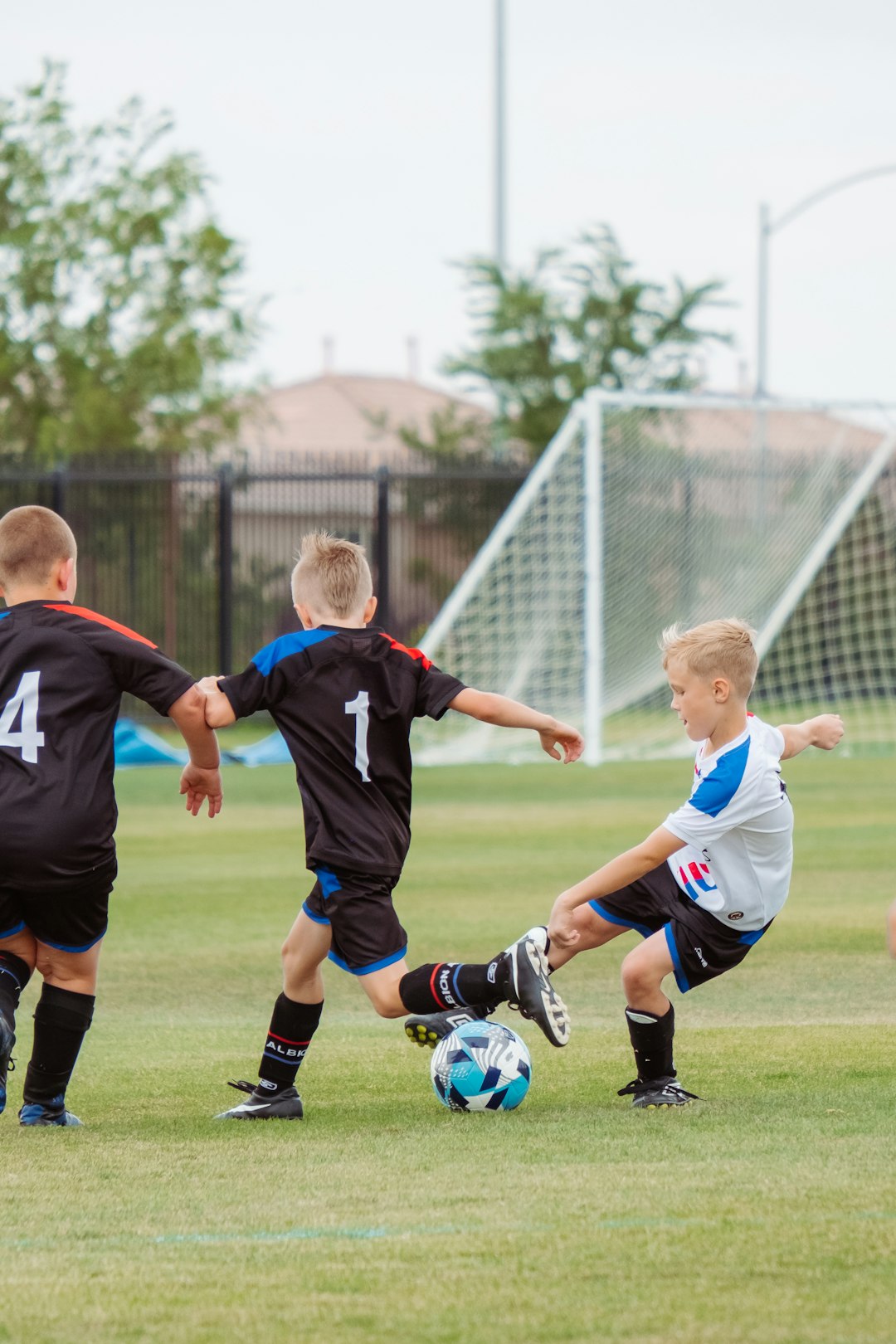
One of the most common mistakes parents make is locking a child into a single sport too early — often motivated by hopes of scholarships or elite development. The AAP recommends delaying specialization in a single sport until around mid-adolescence. Research consistently shows that early specialization is linked to higher rates of overuse injuries, burnout, and dropout before a child reaches their athletic prime. Children who sample multiple sports in their early years tend to develop broader athletic foundations, stay in sports longer, and often outperform early specialists by late high school.
A practical rule: let your child play different sports across seasons for at least the first several years. Fall soccer, winter swimming, spring T-ball is a perfectly healthy mix. If a child naturally gravitates toward one sport and wants to commit more deeply around age 12 or 13, that’s a reasonable time to revisit.
Tips and Common Mistakes to Avoid
Don’t project your own sports history onto your child. The sport you loved at their age may not be the right fit for their temperament or body type — and that’s fine. Equally, don’t dismiss a sport just because you have no experience with it. Focus on whether your child is engaged and happy, not on whether the sport matches your expectations. Watch for signs of dread before practice, persistent complaints about a coach or teammate, or a visible drop in enthusiasm — these are signals to have a conversation, not to push through.
Avoid registering for too many sports simultaneously, especially at the start. Overloaded schedules lead to tired, stressed kids who can’t give any single activity enough attention to feel competent. One sport per season is a reasonable starting point. Finally, resist the urge to coach from the sideline during games and practices. Your child needs to hear from their coach during activity, not a competing voice. The most supportive thing you can do is cheer generally and save specific feedback for the car ride home — or better yet, ask what they thought first.
Explore more: More youth sports guides and resources.
choosing child’s first sport FAQs
What is the best age to start a child in organized sports?
Most pediatric guidance suggests age 6 as the general starting point for simple organized sports. Before that, unstructured play and swimming lessons are more developmentally appropriate. That said, children develop at different rates, so readiness to follow instructions, take turns, and handle mild frustration matters more than the exact birth year.
Should my child specialize in one sport early to get ahead?
The evidence points the other way. Early specialization — focusing intensively on a single sport before adolescence — is associated with higher injury rates and burnout. Most sports medicine organizations, including the AAP, recommend multi-sport participation through early adolescence and delaying specialization until around age 13 to 15.
What if my child wants to quit after one season?
It depends on the reason. If they disliked the sport itself, that’s useful information — let them try something different. If they’re quitting because it’s hard or they had one bad game, it’s worth encouraging them to finish out the season before switching. One general guideline: ask your child to commit to the end of the current season, then reassess together. This teaches follow-through without forcing them into years of an activity they genuinely dislike.
Level Up With SportsSteps
Track your athlete’s progress, connect with coaches and your team, and grow — get the SportsSteps app. Get the SportsSteps App.
Photo: Bird, Grace Electa; Starling, Maud, joint author / No restrictions, via Wikimedia Commons.