Introduction: Why Swimming is the Perfect Cross-Training Sport
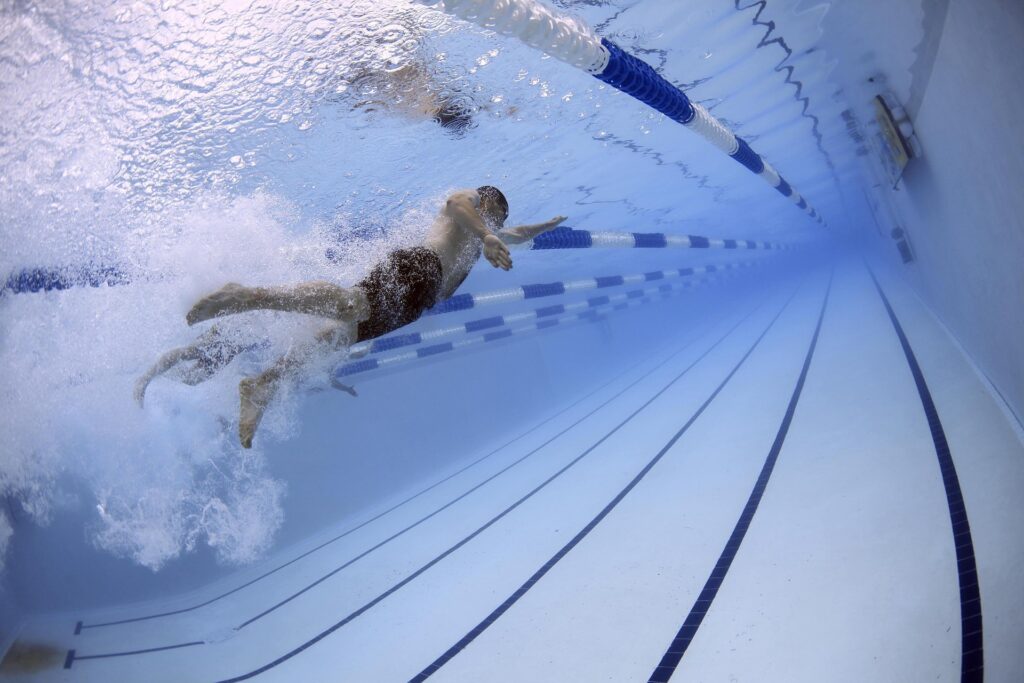
Swimming isn’t just a way to cool off — it’s one of the most effective total-body training workouts available. Whether you’re an athlete looking to enhance conditioning, a runner aiming to reduce impact, or someone chasing lean muscle and endurance, a swimming training workout provide the perfect mix of cardio, resistance, and recovery.
In this guide, we’ll dive deep into how to structure your swim sessions, improve form, and maximize your results both in and out of the pool.
⸻
The Science Behind a Swimming Training Workout
Swimming demands coordination between every muscle group. Each stroke activates the core, back, shoulders, and legs simultaneously — all while maintaining cardiovascular intensity.
This unique combination offers:
- Low-impact resistance training for joint health
- Aerobic endurance that builds lung capacity
- Explosive power for improved performance across sports
- Enhanced recovery due to hydrostatic pressure and cooling
According to sports science studies, a well-structured swimming routine can burn 400–700 calories per hour and significantly improve VO₂ max — a key measure of athletic endurance.
⸻
Building the Perfect Swimming Training Workout
To get the most out of your sessions, mix intensity, technique, and recovery. A balanced plan should include:
1. Warm-Up (10 Minutes)
- 200m easy freestyle
- 100m backstroke
- 100m kickboard flutter kicks
- 4 × 25m build-up sprints (start easy, finish strong)
2. Main Set (20–30 Minutes)
Alternate between technique drills and endurance sets:
- 8 × 50m freestyle (focus on form)
- 4 × 100m at moderate pace (steady breathing)
- 4 × 25m sprint intervals (max effort)
- 100m recovery backstroke between each round
3. Strength Focus (Optional – 10 Minutes)
Use swim paddles or resistance bands for extra power training:
- 4 × 25m paddle pulls
- 4 × 25m kickboard flutter with fins
4. Cool Down (5–10 Minutes)
- 100m relaxed breaststroke
- 100m light kickboard swim
Finish with shoulder stretches and deep breathing.
⸻
Dryland Training to Support Swimming Workouts
To complement your swimming sessions, add land-based workouts 2–3 times per week:
- Planks and core rotations to improve body control
- Resistance band pulls for shoulder stability
- Lunges and squats to increase leg drive off the wall
This cross-training ensures stronger starts, smoother turns, and better endurance throughout each session.
⸻
Tips for Progress and Performance
- Track your times and distances — treat each swim like a measurable workout.
- Focus on technique over speed in the early stages.
- Rest between sets; fatigue ruins form faster than you think.
- Stay consistent — aim for at least three swim sessions weekly.
Pro athletes often use swimming as a secret recovery tool, helping them stay fit without the strain of high-impact training.
Check out our other posts with workouts
⸻
Nutrition and Recovery for Swimmers
Hydration and fuel are key. Aim for:
- Electrolyte water before and after sessions to replace sodium, potassium, and magnesium lost through sweat.
- Carbs and protein (like fruit and yogurt) within 30 minutes post-swim to replenish glycogen and repair muscle fibers.
- Quality sleep to allow muscle repair and hormone balance.
Swimming may feel easy on the joints, but it’s still an intense calorie-burning workout — so recovery is essential for progress. Make sure to include complex carbohydrates such as oats, rice, and sweet potatoes in your daily meals for sustained energy. Add omega-3 fats from salmon, chia seeds, or flaxseed to reduce inflammation and joint stiffness. A light mobility or stretching session before bed can also help reduce lactic acid buildup and promote better rest. Over time, smart nutrition and recovery habits will keep you strong, lean, and ready for your next session.
⸻
Conclusion: Start Your Swimming Journey Today
A great swimming training workout can transform your athletic ability, helping you move with more power, speed, and endurance — both in and out of the pool. Whether you’re training for a triathlon, staying in shape, or just looking for a refreshing new challenge, the water is your perfect training partner.
Dive in. Train hard. Move better.