Introduction
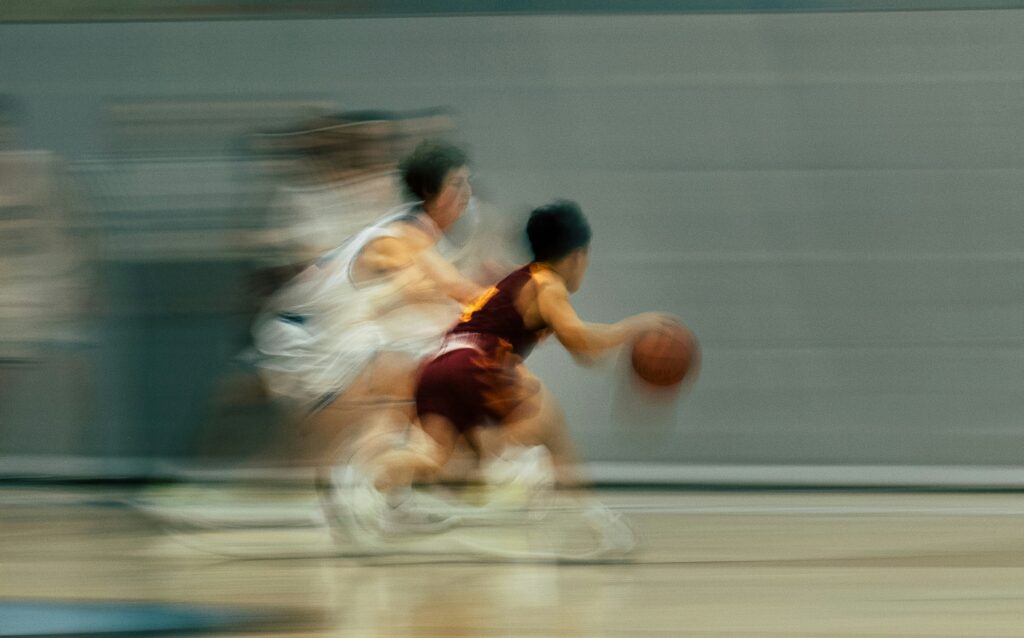
Whether you’re chasing down a loose ball, exploding off the line, or making that crucial first move to beat your defender—your first-step quickness can make or break your play. The good news? You don’t need a fancy gym to improve it. With just a few simple drills, you can train your body to react faster, move sharper, and dominate in any sport.
In this post, we’ll break down five proven first-step quickness drills that athletes of all levels can do anywhere—on the field, in your driveway, or even at home.
Why First-Step Quickness Matters
Your first step is the most explosive moment in any athletic movement. It determines how fast you accelerate, how well you defend, and how much separation you can create.
Improving it isn’t just about strength—it’s about neuromuscular coordination, balance, and reaction time. The faster your body and brain communicate, the quicker that first step will be.
5 First-Step Quickness Drills You Can Do Anywhere
1. Split-Step Reaction Drill
Purpose: Improve reaction time and balance before your first move.
How to do it:
- Start in an athletic stance (knees bent, feet shoulder-width apart).
- Have a partner call “go” or drop an object.
- React instantly by performing a short split-step hop and sprint forward 5–10 yards.
Tip: Record yourself on video to watch your reaction time and form.
2. Resisted Band Starts
Purpose: Build explosive acceleration and drive.
How to do it:
- Attach a resistance band to a stable post and around your waist.
- Lean forward with tension in the band.
- Drive explosively for 3–5 yards, keeping low and powerful.
- Reset and repeat for 4–6 reps.
Variation: No band? Try “wall drives”—same movement pattern, but push against a wall instead.
3. Lateral First-Step Shuffle
Purpose: Increase lateral burst and defensive speed.
How to do it:
- Start in a low stance facing forward.
- On “go,” explode laterally 5 yards and plant your foot to stop cleanly.
- Return to start and repeat side-to-side for 4 rounds.
Pro Tip: Focus on the first push—your outside foot should generate the most force.
4. Single-Leg Explosions
Purpose: Develop unilateral power and balance.
How to do it:
- Stand on one leg with a slight knee bend.
- Swing your arms and hop forward explosively, landing softly on the same leg.
- Stick the landing and hold for one second before the next rep.
Perform 8–10 hops per leg.
5. Cone Reaction Sprints
Purpose: Sharpen quickness under random cues (game-like conditions).
How to do it:
- Set up 3–5 cones in a semi-circle around you (5–10 feet apart).
- Have a partner call out a color or number.
- Explode toward that cone, touch it, and return to start.
Solo version: Use a random timer app or shuffle a deck of colored cards to simulate reaction triggers.
Bonus: The Mind-Body Connection
Your brain drives your body’s speed. Reaction drills, like random start cues or visual triggers, help train the neural pathways that improve response time. Combine these physical drills with video analysis or timing apps to track your progress.
How to Track Progress
Try measuring:
- Time from cue to first movement
- Distance covered in first two seconds of sprint
- Number of reps before fatigue
Log your workouts weekly and note improvements in responsiveness and acceleration.
Conclusion
Improving your first-step quickness doesn’t take hours in the gym—it takes consistency, intent, and precision. Add these drills to your training 2–3 times per week and watch your performance explode across every sport you play.
💪 Ready to take your first step faster than ever?
Join our Early Access Team and be informed when you can download the SportsSteps App and connect with athletes and coaches who train like you. Build your stats, track your drills, and level up your game—one step at a time.