
Every athlete trains to win — but true progress happens after the game ends. Recovery for sports isn’t laziness; it’s the process that turns effort into performance. Without proper recovery, your body breaks down faster than it builds up, leading to fatigue, injury, and slower gains.
In this guide, we’ll break down everything you need to know about recovery for sports — from the science of muscle repair to proven methods athletes use to bounce back faster, train harder, and stay healthier all season long.
What “Recovery for Sports” Really Means
Recovery is your body’s reset button. During exercise, you create microscopic muscle damage and deplete energy stores. Recovery is the period where muscles rebuild stronger, glycogen levels are restored, hormones rebalance, and the nervous system resets.
There are two main types of recovery every athlete should understand:
- Active Recovery — light movement that increases blood flow without taxing the muscles (like stretching, walking, or swimming).
- Passive Recovery — complete rest, sleep, or downtime that lets your body repair naturally.
Active vs. Passive Recovery: When to Use Each
| Type | Description | Best For | Examples |
|---|---|---|---|
| Active Recovery | Gentle movement post-workout | Mild soreness, off-days | Yoga, cycling, walking |
| Passive Recovery | Full rest for repair | Fatigue, injury prevention | Sleep, massage, cold therapy |
The Science Behind Recovery: How Muscles Rebuild
Every workout creates micro-tears in muscle fibers. When you rest, satellite cells fuse to those fibers, repairing the damage and building stronger tissue. This process — known as muscle hypertrophy — depends heavily on nutrition, hydration, sleep, and circulation.
Recovery For Sports Nutrition: Fueling the Repair Process
You can’t out-recover a poor diet. The right post-game or post-training meal can cut recovery time dramatically.
- Carbohydrates: Refill glycogen stores (fruit, rice, potatoes, oats)
- Protein: Rebuild muscle tissue (chicken, eggs, tofu, whey shakes)
- Healthy fats: Support hormone balance (avocado, nuts, olive oil)
Timing: Consume a balanced meal within 45 minutes after your workout. If that’s not possible, a quick shake with 20g protein + 40g carbs will help jumpstart recovery.
The Power of Sleep in Recovery
Sleep is the most powerful — and cheapest — recovery tool available. During deep sleep stages, growth hormone peaks (repair), memory and focus improve (performance), and cortisol drops (stress).
- Minimum: 7–8 hours
- Optimal: 9–10 hours during heavy training
Tools and Techniques for Faster Recovery
- Cold Therapy: 5–10 minutes post-training to reduce inflammation and soreness.
- Compression Gear: Improves blood flow and decreases swelling.
- Foam Rolling & Massage Guns: Light rolling after every session to maintain mobility.
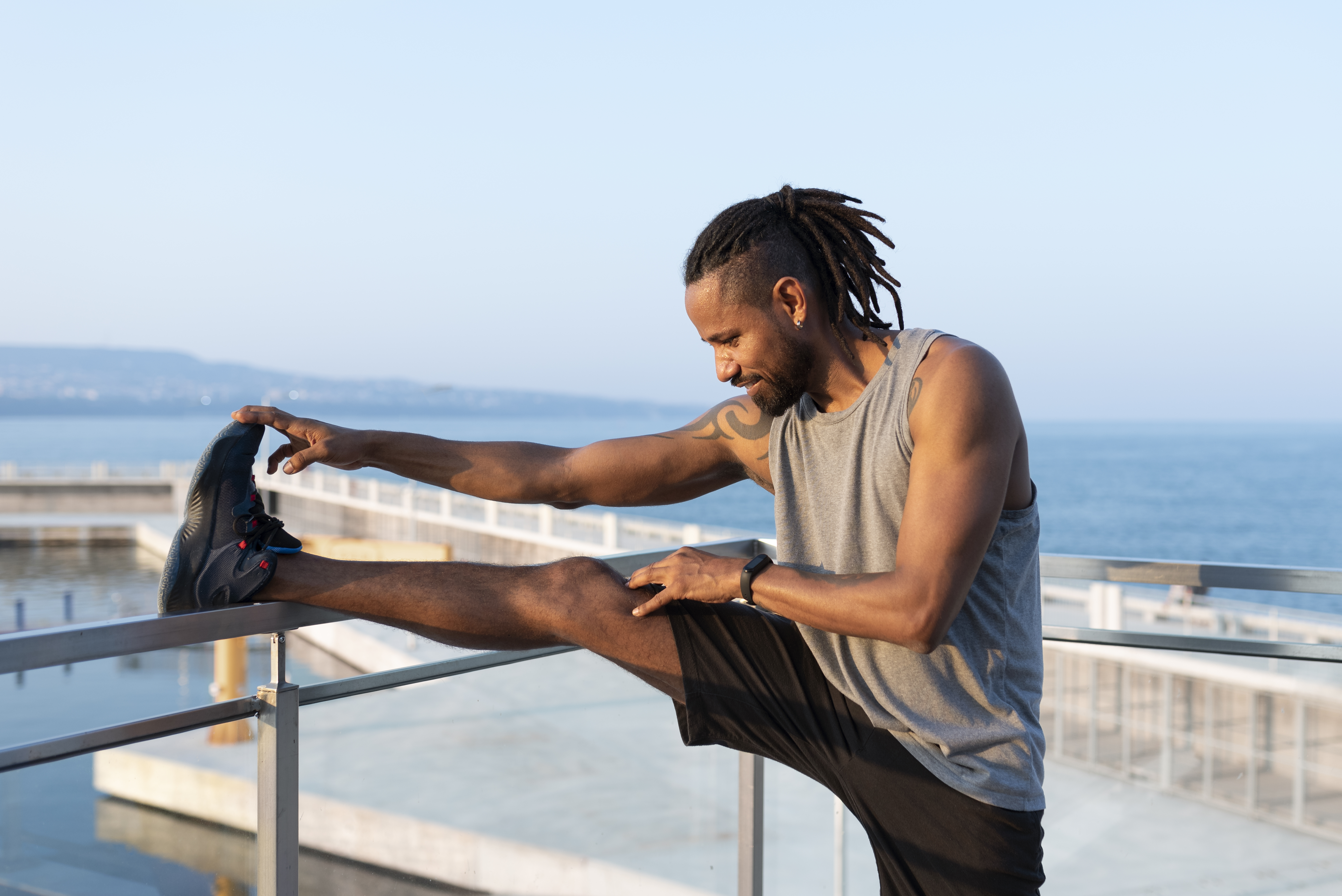
- Stretching & Mobility: Dynamic pre-workout; static post-workout.
- Active Recovery Workouts: Easy jogging, yoga, or cycling to keep blood moving.

Mental Recovery: The Hidden Key to Performance
The mental side of sports can be equally draining. Add short breathing drills, visualization sessions, and low-pressure team time to your plan.
Post-Game Recovery Routine (30 minutes)
- 5 min – Cool down jog or walk
- 10 min – Stretch and foam roll major muscles
- 5 min – Hydrate + electrolytes
- 5 min – Protein + carb snack
- 5 min – Breathing or light meditation
Apps and Tools to Track Recovery
- Whoop / Oura Ring — sleep and recovery readiness
- Strava / Garmin Connect — HRV and training load
- SportsSteps (coming soon) — log workouts, share recovery routines, connect with coaches/fans
Common Recovery Mistakes to Avoid
- Skipping rest days
- Relying only on shakes instead of real food
- Neglecting hydration
- Pushing through pain (overtraining risk)
Sport-Specific Recovery Tips
| Sport | Common Fatigue Area | Key Recovery Focus |
|---|---|---|
| Soccer | Legs & hamstrings | Foam roll + cold plunge |
| Basketball | Knees & calves | Compression + mobility |
| Baseball | Shoulders & elbows | Stretching + band work |
| Track & Field | Hips & quads | Active recovery + hydration |
| Football | Whole body | Contrast therapy + full rest days |
The Bottom Line
Recovery determines your performance ceiling. Make it part of your game plan and you’ll reduce injuries, improve focus, and build consistency.
Call to Action
Join the SportsSteps waitlist to get community-driven recovery routines and coach support.

Featured Image by Drazen Zigic on Freepik
Ready to push harder? Pair recovery with our CrossFit workouts for strength training.